
Introduction:
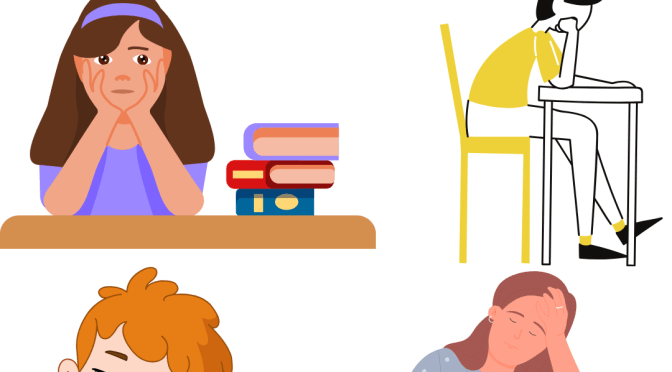
Hey there, fellow scholars! Let’s dive right into the deep end of the pool, shall we? Ever find yourself trapped in the doldrums of a bored in class, where time crawls at a snail’s pace and every minute feels like an eternity? Oh, I feel you, my friend. Been there, done that, got the T-shirt.
The Dreaded Monotony Monster:
So, picture this: you’re sitting in your desk, staring at the clock on the wall, watching the seconds tick by slower than a sloth on tranquilizers. The teacher’s voice drones on and on, like a broken record stuck on repeat. You start to wonder if you’ve somehow slipped into a parallel universe where time stands still and boredom reigns supreme.
The Grammar Gauntlet:
Now, let’s talk grammar, shall we? Sometimes, in the midst of this mind-numbing monotony, even the most diligent students can find themselves making grammar mistakes that would make their English teacher cringe. But hey, nobody’s perfect, right? We all make mistakes from time to time. It’s just part of being human.
Transition Time:
Transitioning from one topic to another can be like navigating a maze blindfolded. But fear not, my friends, for I am here to guide you through the treacherous terrain of transition words. Whether it’s “however,” “therefore,” or “in addition,” these little nuggets of linguistic gold can help smooth the rough edges of your prose and keep your readers from getting lost in the weeds.
Active Voice Adventures:
Let’s talk about active voice, baby! None of that passive voice mumbo jumbo here. We’re all about action, excitement, and getting things done. So instead of saying “The ball was kicked by me,” we say “I kicked the ball.” See the difference? It’s like night and day, my friends.
The Power of Small Sentences:
Short and sweet, that’s the name of the game. Long, rambling sentences are like a maze with no exit, leaving your readers lost and confused. But short sentences? They’re like little breadcrumbs, guiding your readers along the path to enlightenment. So keep it simple, folks. Your readers will thank you for it.
The Conversation Connection:
When it comes to writing, it’s all about having a conversation with your readers. You want them to feel like you’re sitting across from them, chatting over a cup of coffee. So don’t be afraid to sprinkle in some “I”s, “we”s, and “you”s. It’s like inviting your readers into your living room and saying, “Hey, pull up a chair and let’s chat.”
Sub-heading Safari:
The Boredom Blues: When every second feels like an eternity.
Grammar Gaffes: Oops, did I do that?
Transition Tricks: Navigating the maze of connectivity.
Active Voice Adventures: Action-packed and ready to roll.
Small Sentences, Big Impact: Keeping it short and sweet.
The Conversation Connection: Bringing your writing to life.
Frequently Asked Questions (FAQs):
Why do classes get boring?
Classes can become boring due to a variety of reasons, such as monotonous teaching methods, lack of student engagement, or repetitive content.
How can I make class more interesting?
You can try actively participating in discussions, asking questions, or seeking out alternative learning resources to supplement your understanding.
Is it normal to feel bored in class?
Absolutely! It’s perfectly normal to feel bored from time to time, especially if the material isn’t engaging or if you’re feeling tired or distracted.
What can teachers do to make classes less boring?
Teachers can incorporate interactive activities, multimedia resources, and real-world examples into their lessons to keep students engaged and interested.
Is it okay to daydream during class?
While a little daydreaming now and then is natural, it’s important to stay focused and attentive during class to maximize your learning experience.
How can I stay focused during boring lectures?
You can try taking notes, asking questions, or finding ways to connect the material to your own interests and experiences to help stay engaged.
What should I do if I consistently find a class boring?
If you consistently struggle to stay engaged in a particular class, it may be helpful to speak with your teacher or academic advisor to explore alternative options or strategies.
Can boredom affect my academic performance?
Yes, prolonged boredom in class can lead to decreased motivation, lower academic achievement, and even negative attitudes towards learning.
Are there any benefits to boredom?
While boredom itself may not be enjoyable, it can sometimes spark creativity or lead to introspection, prompting individuals to seek out new challenges or activities.
How can I make the most of a boring class?
You can try setting specific goals for yourself, such as actively participating in discussions or focusing on improving specific skills, to make the most of your time in class.
 Assignment Help Service